
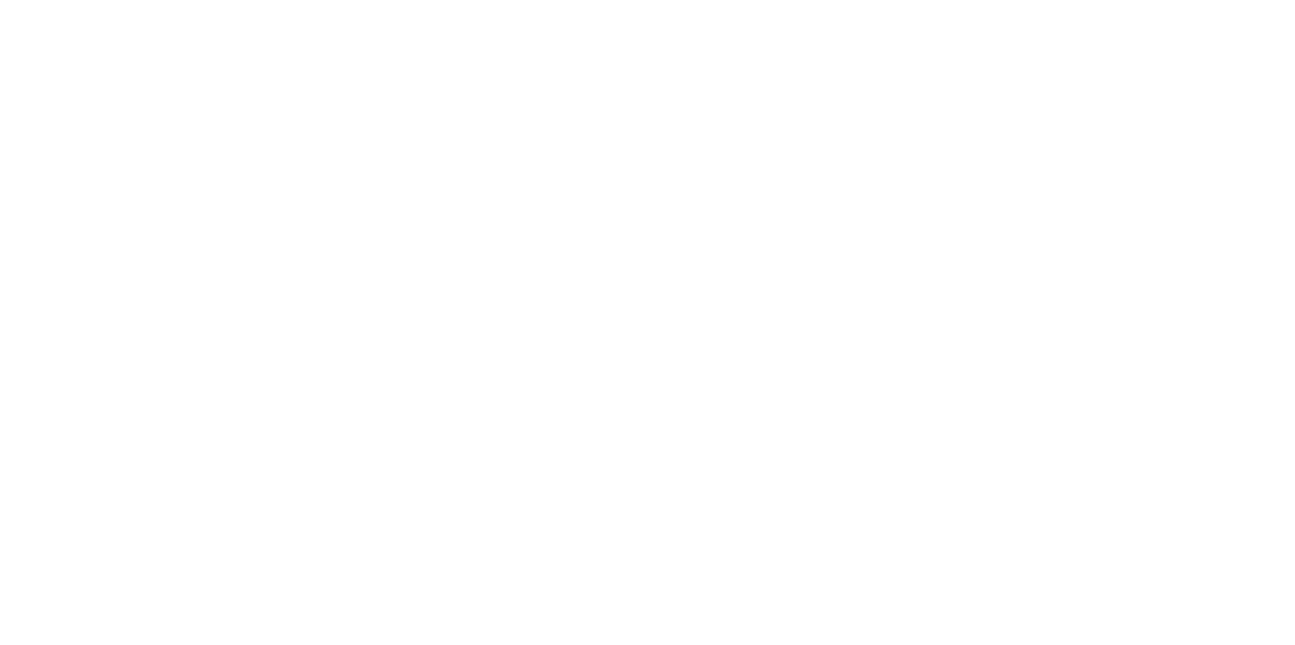


The power dynamic between businesses and consumers has changed drastically with the rise of advanced content sharing platforms and digital technologies. To cut through the clutter and reach consumers effectively, dealers need to use the advancements in marketing to send relevant messages across all applicable channels.
Simple right? Managing aligned messaging across multiple channels, both traditional and digital, can be tricky and time-consuming. In GSM's years of managing dealership marketing, we have uncovered the secret to successful marketing across channels: an annual marketing calendar.
2 min read
Why you Need an Annual Marketing Calendar
Topics:
Best Practices
Continue Reading
3 min read
9 Steps For Better Data Privacy
Customer information (name, address, email, phone number) is privileged information. When this information is inadequately secured, your company or dealership could be risking millions of dollars and your company’s reputation. Take the biggest retail hack in history as a lesson: Target. In 2013, 40 million credit card numbers, and 70 million addresses, phone numbers, and email addresses were stolen because employees did not follow an established data security procedure. Today, Target is still suffering the results of this breach, with gross expenses totaling $252 million and counting.
It’s not just security breaches that we should be concerned about, but also the adherence to customer requests. If a customer requests that your dealership not contact him or her via phone, email, text or direct mail, it is your responsibility to adhere to those requests and share this information with your marketing agencies. Communicating this request to all marketing agencies is particularly important if communications are sent over multiple platforms because your reputation, and financial security, is at stake
3 min read
What to do During a Social Media Crisis

During the digital age, social media can either make or break your brand. Word-of-mouth spreads faster than ever as customers have the power to share and create content with the click of a button. No matter what industry you are in, relationship management plays a key role in both your brand’s and company’s success. A healthy relationship with your customers is critical because at the end of the day, your brand is what your customers say it is. Knowing what to do when your brand hits the fan is important for salvaging your company’s reputation and success.
What is a Social Media Crisis?
A social media crisis can be defined by three main criteria – information imbalance, material impact, and overwhelming negativity. When there is information imbalance, a company either knows less than the public on a situation, or just as much. This is important because it creates a power imbalance where customers know more, and can take control of the situation – they decide the fate of your brand.
Material impact refers to the scope and size of the issue. If it is something that will have a material impact on the company – financial, company image, and reputation – then it is considered a material impact. Overwhelming negativity can also affect your brand. It can cause a “me-too bandwagon” effect where customers share or agree with similar negative experiences. This can cause potential clients to choose another brand over yours, or cause the issue to grow based on common disagreement.
What to do when crisis strikes
Your first response, and any response to a social media crisis, is the most important. Unhappy customers will be waiting for it, they will have something to say about it, and they will share it. Below are a few tips to help you prepare for, or respond to, a social media crisis: